


So which paper is best for coloured pencil drawing?
Naturally we all have our own favourite drawing surfaces. This is my own personal favourate and why!
If you are exploring the best paper for coloured pencil work, chances are you are looking to elevate the quality of your artwork. Even with premium pencils such as Faber-Castell Polychromos or Prismacolor Premier, achieving professional results depends heavily on the surface you work on.
You may already understand the fundamentals of coloured pencil technique — layering, blending, and shading — yet still feel that your work could be improved. In many cases, the paper itself is the missing element.
Choosing the right paper is essential for achieving depth, smooth blending, and refined detail in coloured pencil art. This guide will help you understand what to look for and which surfaces provide the best results.
The Importance of “Tooth”
Not all drawing or sketch paper is suitable for coloured pencil work. Although coloured pencils may appear similar to standard drawing tools, the medium behaves more like painting in layers than traditional sketching.
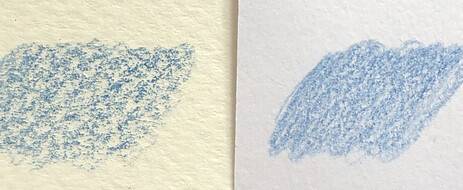
For this reason, the paper must have sufficient “tooth” — a slightly textured surface made up of microscopic peaks and valleys. This texture allows the pigment to adhere effectively and supports multiple layers of colour.
Without enough tooth, even strong technique and high-quality pencils can result in artwork that appears flat or underdeveloped.
Different paper brands and surfaces offer varying degrees of texture, and this can significantly affect the final result.
Avoid Surfaces That Are Too Textured
While tooth is essential, excessively textured paper can create its own challenges.
Pastel paper, for example, is designed specifically to hold soft pastel pigment and therefore has a much heavier surface texture. Although coloured pencil can be used on pastel paper, the process becomes extremely slow, requiring many additional layers to fill the tooth adequately.
Similarly, cold press watercolour paper often has too much texture for refined coloured pencil work and can make smooth blending difficult.
The ideal coloured pencil surface strikes a balance: enough tooth to support layering and blending, but not so much that achieving detail becomes laborious.
Technique Matters Just as Much
Even with the best paper, technique remains critically important.
One of the most common mistakes in coloured pencil work is applying heavy pressure too early. Beginning with excessive pressure compresses the tooth of the paper, flattening the surface and limiting its ability to accept additional layers.
This can lead to:
- Uneven colour application
- Visible streaks or grooves
- Poor colour mixing
- Difficulty layering further pigment
Instead, begin with very light pressure — often referred to as glazing. This allows the paper’s texture to gradually build and hold multiple layers of colour effectively.
As additional layers are applied, pressure can gradually increase while maintaining smooth transitions and optimal blending.
A useful technique for achieving lighter application is to hold the pencil slightly further back from the tip, which naturally reduces pressure and encourages softer, more controlled strokes.
Ultimately, the tooth of the paper is there to support your artwork — not to be flattened prematurely.
My Recommendation
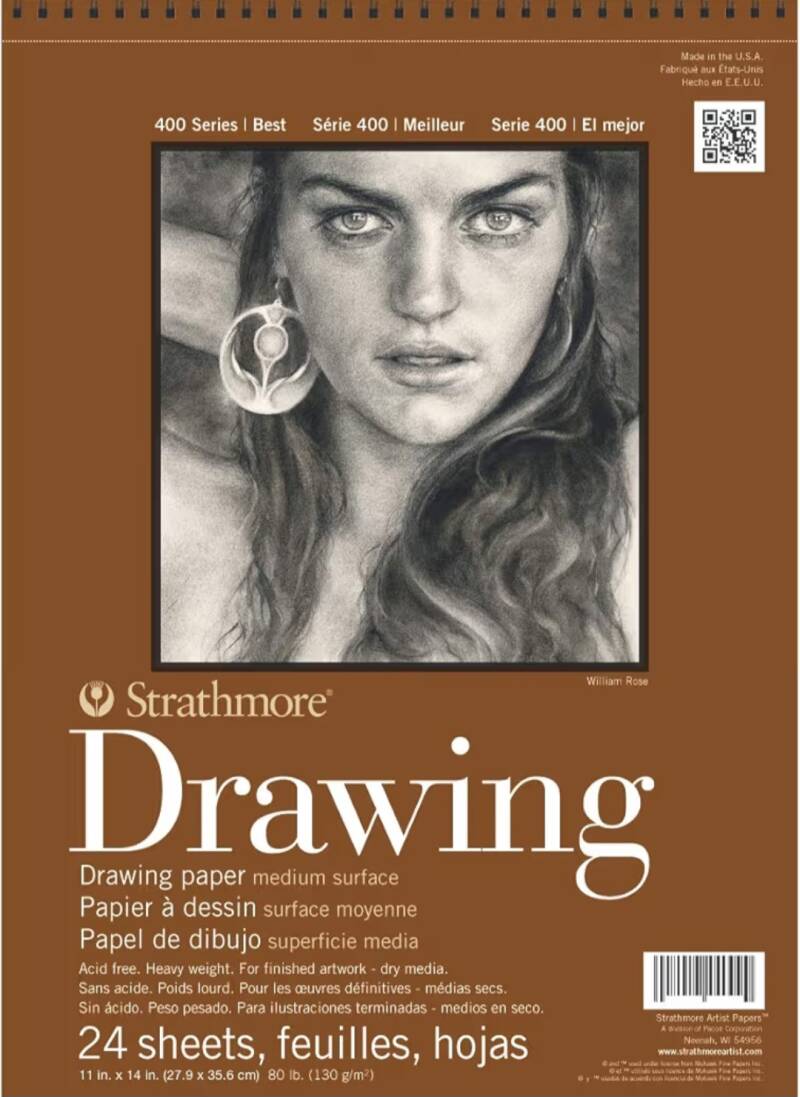
The ideal amount of tooth is largely a matter of personal preference and artistic style. However, for artists seeking a professional-quality coloured pencil surface with an excellent balance of texture and control, I highly recommend the Strathmore 400 Series Coloured Pencil Pad or for larger drawings this paper comes in a roll which is 36" wide by 10 yards long.
This paper is specifically designed for coloured pencil work and, in my experience, offers an ideal level of tooth for layering, blending, and achieving rich colour depth. It has been a reliable choice in my own work for many years.
While it is a premium-priced paper, the quality of the surface makes a noticeable difference in the finished artwork.
No matter which brand you choose, ensuring the paper has the appropriate tooth for coloured pencil is one of the most important factors in achieving professional results.
Have an peaceful arty day!

Add comment
Comments